Step 1 — Gather your documents
Pull these together before you call any property. Most applications require copies, but a few want you to bring originals to a screening interview.
- Government-issued photo ID for every household member 18 and older.
- Birth certificates for every household member.
- Social Security cards for every household member 6 and older.
- Proof of citizenship or eligible immigration status (passport, naturalization papers, I-94, etc.).
- Most recent 2–3 months of pay stubs for each working adult.
- Last 2 years of tax returns (W-2s and 1099s; the full return if self-employed).
- Award letters or current benefit statements for Social Security, SSI, SSDI, TANF, unemployment, child support, or veterans' benefits.
- The last 6 months of bank statements for every account.
- Verification of any pension, annuity, or retirement income.
- A list of every address you've lived at in the past 5 years, with landlord contact info.
- Any court documents related to evictions or housing disputes.
- Documentation for any disability accommodation you'll request.
Step 2 — Pick your buildings
Open the state directory and drill down to your city. Each property page lists the building's address, the federal subsidy programs it accepts, the unit count, and the management contact. Save the contact info for 5–10 buildings — applying broadly is the single biggest factor in how fast you get housed.
Things to look for:
- Senior buildings (Section 202) — only if the head of household is 62+.
- 811 buildings — only if the household includes an adult with a qualifying disability.
- Bedroom mix — make sure the building has units that fit your household size. HUD occupancy rules typically allow no more than 2 people per bedroom (a 3-bedroom for a family of 6, etc.).
- Location — proximity to work, transit, schools, and family. Once you sign a lease you'll be there at least a year.
Step 3 — Call the management office
Before you fill out any paperwork, call each property and ask three questions:
- "Is your waiting list open?"
- "If it's closed, when is it expected to reopen — and where will the announcement appear?"
- "What preferences does your building offer?"
Write the answers down with the date you called. Properties post waiting-list openings on their website, in the local newspaper, on flyers at the local PHA, and sometimes only in a brief window via email — knowing where to look matters.
Step 4 — Submit the application
Most properties accept applications by mail, in-person drop-off, or an online portal. A few rules:
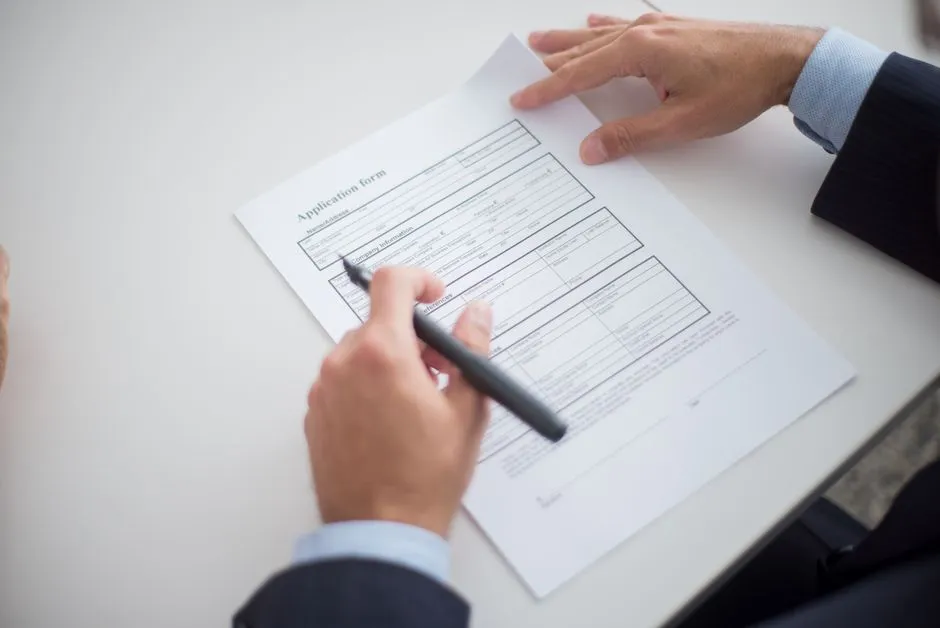
- Fill out every field. Blank fields are the #1 cause of automatic rejections. Write "N/A" if a field doesn't apply.
- Be exact about household composition. Anyone who will live with you must be on the application, even occasional guests over the 14-day-per-quarter HUD limit.
- Disclose income honestly. Underreporting income is fraud and will get you removed from every HUD list nationwide. Overreporting won't help either — they'll re-verify before move-in.
- Sign and date everything. Missing signatures cause delays of weeks.
- Keep a copy. Photograph or scan every page before you submit.
- Get proof of submission. Certified mail return receipt, a date-stamped drop-off form, or a confirmation email.
Step 5 — Wait — but don't go silent
Average waits in mid-sized U.S. cities run 12–36 months for project-based Section 8. In big metros it's commonly 3–7 years. While you're waiting:
- Update your contact info immediately if you move or change phone numbers. The most common way applicants get dropped is unanswered mail.
- Watch for an annual update letter. Many properties send a yearly form asking you to confirm you're still interested. Miss the response window and you're removed from the list.
- Reapply when lists reopen. Every reopening resets the queue for new admissions. If a list closed years ago and reopens, you need to be back in line.
- Track your status. Call each property every 6 months to verify you're still on the list and confirm your contact info.
Step 6 — When you get the call
When your name reaches the top, the management office will request updated income documentation, run criminal and landlord background checks, and verify your eligibility against the current HUD income limits. From there:
- You'll meet with the property manager to review the lease and the building's house rules.
- You'll attend a unit inspection to confirm the apartment meets HUD Housing Quality Standards.
- You'll sign a one-year lease and a HUD form 50059 that documents your income and rent calculation.
- You'll pay your security deposit (subject to state limits) and first month's tenant share of rent.
- You move in. Going forward you'll recertify every year, plus any time your income changes by more than $200/month.
If you're denied
You have the right to a written denial letter explaining the reason and to an informal hearing or review. Deadlines are short — usually 14 days from the date of the letter. Bring documentation that addresses the specific reason for denial: a paid receipt for a debt, court records showing a dismissed charge, a doctor's letter for a disability accommodation, or letters from prior landlords contradicting a negative reference.
Common mistakes that delay applicants for years
- Applying to only one or two buildings.
- Letting mail pile up while traveling or hospitalized.
- Forgetting to add a baby or new household member to the file.
- Assuming the housing authority's voucher list and the project-based building list are the same. They're not.
- Giving up on a 4-year wait the month before the call comes in.
Ready to start? Find your state on the state directory, then drill down to your city.